
Reconstitution Solutions in the Biotech Industry: Their Essential Role
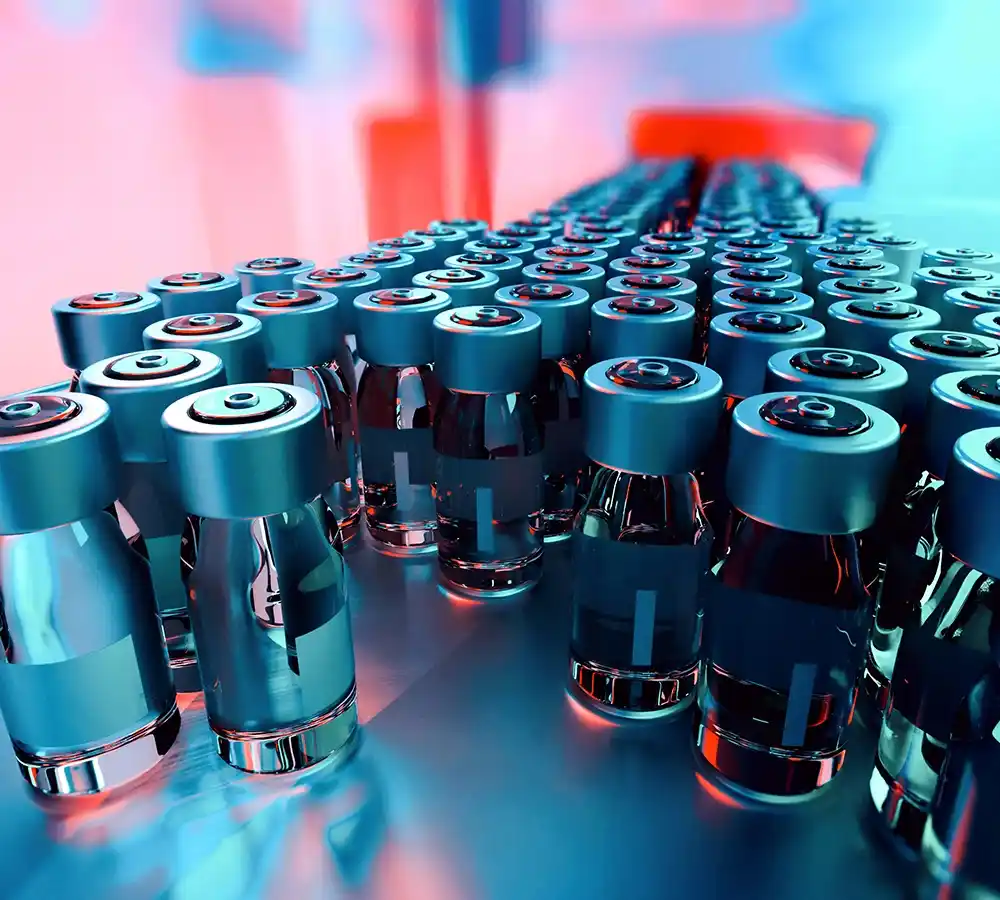
Reconstitution solutions in biotech are fundamental to modern Lab Researchers. They allow powders or lyophilized biologics to be transformed into injectable or oral formulations. Without proper reconstitution methods, many biotech medicines, including vaccines, monoclonal antibodies, and recombinant proteins, would not be usable in clinical practice or research. Their essential role spans biological solution preparation, pharmaceutical development, and the stability, making them a cornerstone of biotechnology applications.
Introduction to Reconstitution Solutions in Biotech
In biotechnology, reconstitution solutions serve as carriers that restore dehydrated pharmaceutical products into usable forms. They are critical in preparing biologic medicines, vaccines, diagnostic agents, and laboratory test materials. Since biologics are often highly sensitive to temperature, light, and contamination, their reconstitution requires precise control. Healthcare professionals, researchers, and biotech specialists rely on these solutions to maintain drug stability and therapeutic effectiveness.
Why Reconstitution Solutions Matter in Biotechnology
Supporting Biologic Drug Preparation
Many biotech drugs are developed as freeze-dried powders to improve stability during storage and transport. Before administration, they must be reconstituted with sterile solutions. These solutions ensure accurate drug concentration, uniform distribution, and patient safety. Biotech drugs such as recombinant proteins and peptides depend heavily on precise reconstitution.
Applications in Pharmaceutical Research
Reconstitution solutions are equally important in pharmaceutical research. They allow scientists to prepare experimental formulations for clinical trials, stability testing, and laboratory studies. By providing consistent preparation methods, they enable researchers to compare data reliably and maintain drug integrity throughout testing.
Biological Solution Preparation in Biotech
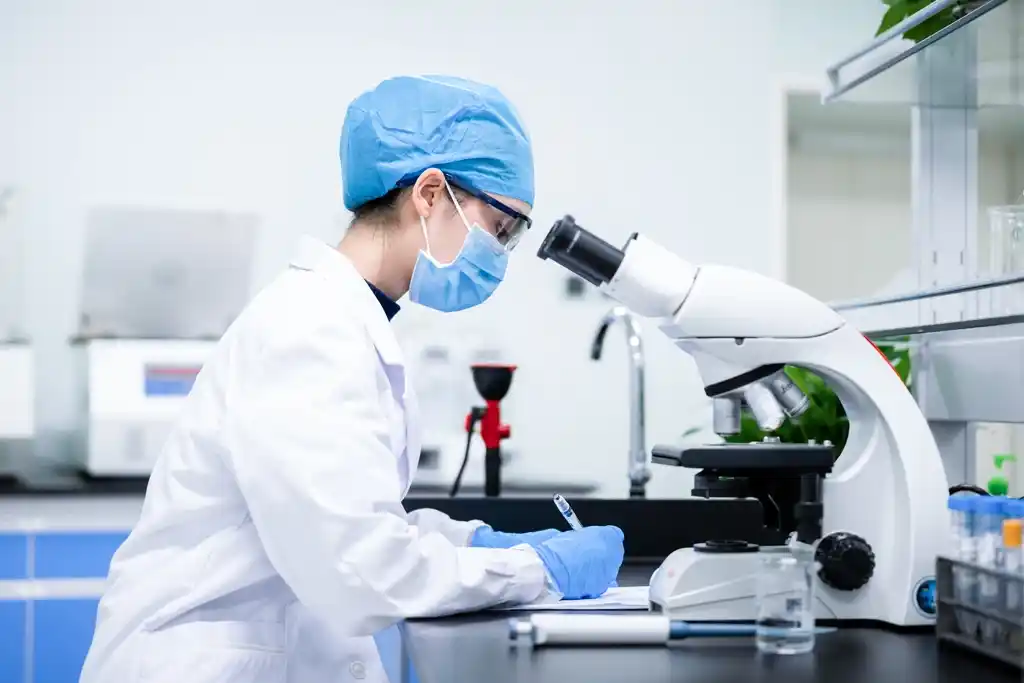
Laboratory Reconstitution for Biologics
In biotechnology laboratories, reconstitution is used daily to prepare samples, reference standards, and biologic test substances. Sterile solutions are chosen based on the chemical and physical properties of the compound being studied. This careful preparation ensures reproducibility in pharmaceutical biotechnology research.
Biotech Formulations and Product Handling
Proper handling during reconstitution is critical to avoid contamination and degradation. Single-use vials and sterile packaging are commonly employed to maintain integrity. Biotech formulations often require specific diluents or buffers that match the physiochemical properties of the active ingredient, preventing instability.
Role in Biotech Medicine and Pharmaceuticals
Biotech Solutions for Medicines
Reconstitution solutions make it possible to deliver complex biologics that would otherwise be unstable in liquid form. For example, many therapies, vaccines, and rare disease treatments rely on reconstitution before administration.
Pharmaceutical Biotech Solutions
Within the pharmaceutical industry, these solutions support large-scale drug preparation and quality assurance. They are integrated into pharmaceutical biotechnology pipelines to ensure product consistency from manufacturing to patient delivery.
Biologic Pharmaceuticals and Clinical Use
Clinical biotech solutions are used to prepare injectable biologics for patient care. Reconstitution guarantees that biologics such as monoclonal antibodies reach patients in the correct dosage and with optimal stability.
Stability and Preservation of Biologic Drugs
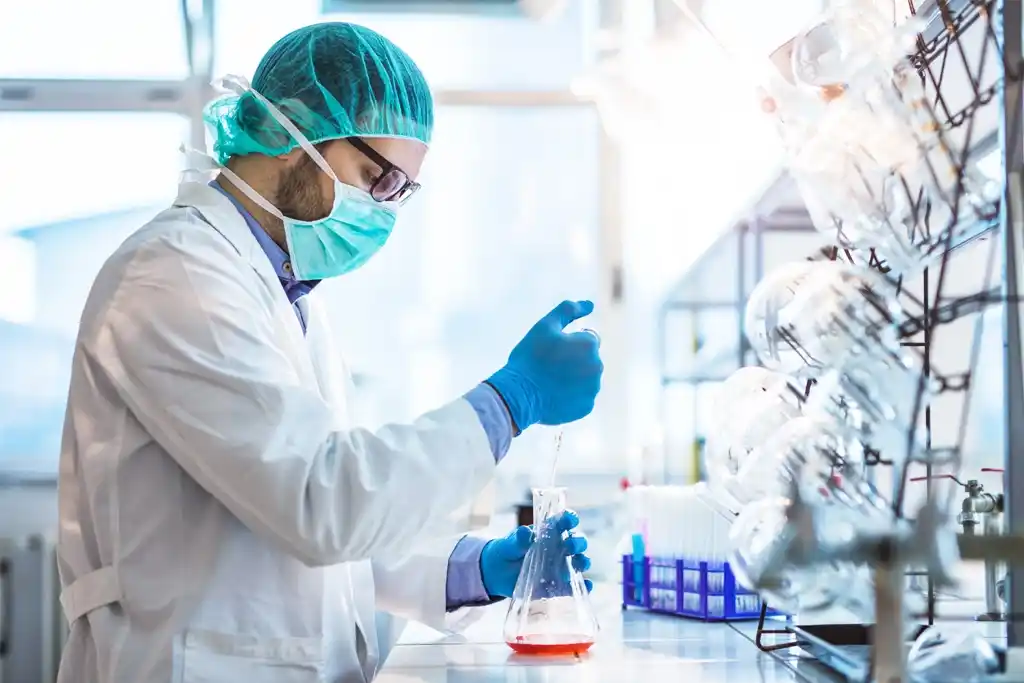
Biologic Stability Challenges
Biologic drugs are highly sensitive to environmental changes. Factors such as temperature, humidity, and light exposure can rapidly degrade proteins or peptides. Reconstitution solutions must therefore provide stability until administration.
Packaging and Storage for Reconstitution
Packaging plays a major role in maintaining biologic stability. Amber vials, sterile, and sealed containers prevent contamination and light-induced degradation. Refrigeration is often required, with strict adherence to manufacturer guidelines.
Biotech Product Reconstitution for Clinical Applications
Clinical Biotech Solutions
In hospitals and research centers, reconstitution is essential for patient-ready biologics. Solutions must be sterile, accurately measured, and labeled with clear expiration guidelines. Clinical staff rely on standardized protocols to ensure safety.
Biotech Drug Delivery Methods
After reconstitution, biologics may be delivered intravenously, subcutaneously, or intramuscularly. The method of delivery depends on the therapeutic application, and the choice of diluent can influence absorption and patient tolerance.
Pharmaceutical Biotechnology Trends
Current Trends in Biologic Drug Preparation
Biotechnology companies are developing more stable reconstitution solutions to extend shelf life and improve patient convenience. Advances include pre-filled syringes and dual-chamber vials that simplify reconstitution.
Future of Pharmaceutical Biotechnology
Future pharmaceutical biotechnology will likely focus on self-administered biologics. Innovations in reconstitution solutions could enable patients to prepare and administer therapies safely at home, reducing hospital dependency.
Biotechnology Innovations and Reconstitution
Research-Based Solutions
Research-driven innovations have improved reconstitution methods to ensure biologic integrity. Custom buffer systems and preservative-free solutions are being designed to optimize Labs preparation.
Biotechnology Innovations Driving Biologics
The development of advanced biologic medicines depends heavily on innovations in reconstitution. Biotech companies are investing in technologies that make biologics easier to store, transport, and prepare.
Regulatory Standards and Guidelines
FDA and EMA Requirements
Both the FDA and the European Medicines Agency (EMA) require strict compliance in the preparation, storage, and administration of reconstitution solutions. These agencies regulate labeling, sterility, and expiration guidelines to ensure patient safety.
Laboratory Safety and Compliance
Laboratories must follow Good Laboratory Practices (GLP) and Good Manufacturing Practices (GMP). These protocols ensure that reconstitution solutions are handled under sterile, controlled conditions.
Case Studies of Reconstitution in Biotech
Vaccine Reconstitution for Biotech Medicine
Vaccines are often freeze-dried for stability during shipping. Before use, they require precise reconstitution. Failure to follow correct preparation guidelines has led to potency loss in some vaccine programs, underlining the critical role of accurate reconstitution.
Monoclonal Antibodies and Biologics
Monoclonal antibodies are sensitive biologics that require careful reconstitution. These drugs are widely used in cancer and autoimmune disease treatment. Standardized protocols are essential to preserve their therapeutic activity.
Challenges and Solutions in Reconstitution Practices
Handling Biotech Formulations
Improper handling is one of the leading causes of biologic degradation. Solutions must be prepared under sterile conditions using calibrated equipment. Staff training is crucial to maintain consistency.
Preventing Contamination in Reconstitution
Contamination is a major risk in biotech solution preparation. Using single-dose vials, sterile packaging, and strict aseptic techniques reduces microbial risks. Hospitals and labs must discard any solution that shows signs of discoloration or cloudiness.
Conclusion: The Essential Role of Reconstitution in Biotech
Reconstitution solutions in biotech are indispensable for biologic drug preparation, pharmaceutical research, and clinical applications. They safeguard stability, prevent contamination, and enable precise delivery of advanced medicines. As biotechnology continues to expand, innovations in reconstitution methods will shape the future of biologics, ensuring safer, more effective, and more accessible therapies.