

Is Reconstitution Solution Good to Reconstitute Retatrutide?
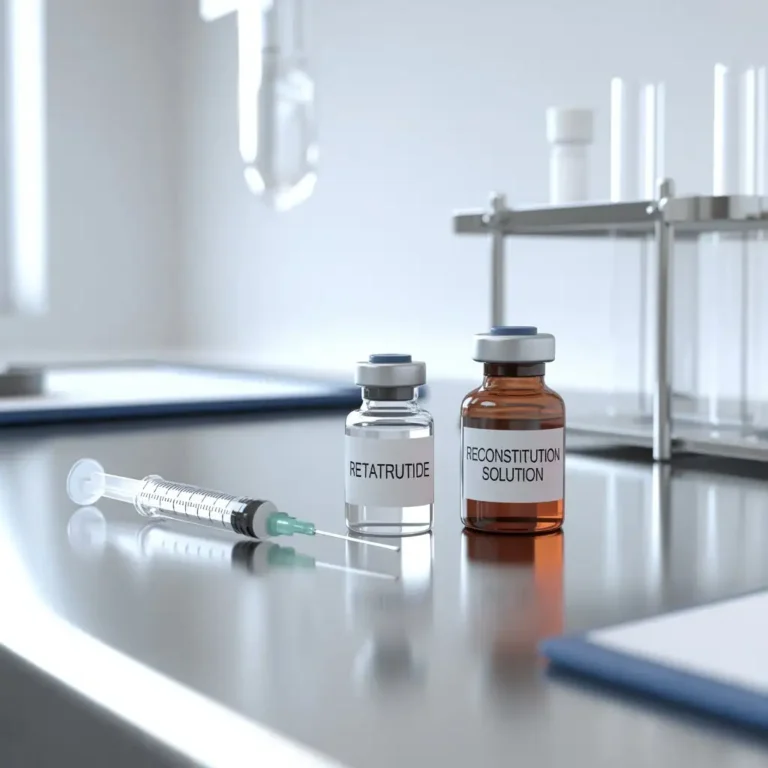
Introduction
When working with investigational compounds such as Retatrutide, proper preparation is a critical step in ensuring accuracy in research. One of the most common questions researchers ask is: is reconstitution
solution good to reconstitute Retatrutide?
Reconstitution is the process of dissolving a powdered peptide into a liquid diluent so it can be studied in laboratory or research settings. The choice of reconstitution solution—whether sterile water, bac water (bacteriostatic water), or another approved diluent—directly impacts the quality, stability, and effectiveness of the prepared sample.
In this article, we’ll explore what is reconstitution solution is, how it works with peptides like Retatrutide, compare different options, and highlight best practices for safe research use.
What Is Retatrutide?
Retatrutide is an investigational peptide drug currently being studied for potential benefits in metabolic and weight-related research. Like many peptides, it is usually supplied in a lyophilized (freeze-dried) powder form inside a vial. Before it can be used in research or laboratory testing, it needs to be reconstituted with a suitable solution.
This makes the choice of reconstitution solution an essential part of the preparation process.
Understanding Reconstitution Solutions
A reconstitution solution is any sterile liquid used to dissolve a powdered peptide for laboratory use. The most common options are:
- Sterile Water for Injection (SWFI) – Pure water that has been sterilized.
- Bacteriostatic Water (Bac Water) – Sterile water containing 0.9% benzyl alcohol, which acts as a preservative.
- Other Diluent Solutions – In some cases, specific buffers may be used depending on the peptide’s stability.
Step-by-Step: How to Reconstitute Retatrutide
Here’s a simple breakdown of the reconstitution process:
- Gather materials – Retatrutide vial, chosen reconstitution solution (sterile water or bac water), syringe, and alcohol swabs.
- Clean surfaces – Always work in a clean environment to reduce contamination risk.
- Prepare the vial – Wipe the rubber stopper of the Retatrutide vial and diluent vial with an alcohol swab.
- Draw solution – Use a sterile syringe to draw the required amount of reconstitution solution.
- Inject slowly – Insert the syringe into the peptide vial and inject the solution gently down the side of the vial (not directly onto the powder).
- Dissolve carefully – Swirl the vial gently until the powder is fully dissolved. Avoid shaking, which can damage delicate peptides.
- Store properly – Depending on the chosen diluent, store the reconstituted Retatrutide according to research guidelines.
This process highlights why the choice is reconstitution solution matters—the wrong solution may reduce stability or shorten the usable life of the peptide.
Comparing Sterile Water vs. Bac Water for Retatrutide
When asking is reconstitution solution good to reconstitute Retatrutide, the answer often depends on the type of solution used. Let’s compare the two most common options:
Sterile Water
- Pros: Pure, no preservatives, safe for single-use preparation.
- Cons: Lacks preservatives, so once Retatrutide is reconstituted, it must typically be used quickly or stored under strict refrigeration.
Bacteriostatic Water (Bac Water)
- Pros: Contains benzyl alcohol, which acts as a preservative, extending the shelf-life of reconstituted peptides. Ideal for multiple-dose vials in research settings.
- Cons: Not always recommended for every peptide—compatibility should be checked before use.
In most peptide research, bac water is preferred when longer storage is needed. However, sterile water may be used when immediate, single-use preparation is required.
Why the Right Solution Matters
Choosing the right diluent for Retatrutide impacts:
- Stability – Prevents peptide breakdown.
- Purity – Reduces risk of contamination.
- Shelf-life – Extends usability for research.
- Accuracy – Ensures reliable experimental results.
Using the wrong solution—or mishandling the process—can lead to wasted compounds, inaccurate results, or reduced effectiveness.
Benefits of Proper Reconstitution
- Ensures peptide integrity during experiments.
- Supports accurate dosing and measurements.
- Reduces the risk of contamination.
- Provides flexibility in storage and use depending on the solution chosen.
Precautions and Risks
- Always verify the compatibility of the solution with Retatrutide.
- Use only sterile equipment during preparation.
- Avoid shaking the vial; swirling gently is best.
- Follow proper storage guidelines (usually refrigeration).
- Be aware that preservatives in bac water may not be suitable for every compound.
Conclusion
So, is reconstitution solution good to reconstitute Retatrutide? The answer is yes—when the right solution is chosen and handled correctly. Both sterile water and bac water can be used, but the decision depends on whether you need a single-use preparation (sterile water) or extended storage (bacteriostatic water).
By understanding the is reconstitution process, comparing available options, and following safe practices, researchers can ensure Retatrutide is prepared properly for reliable laboratory results.
FAQs
1. What is Retatrutide used for in research?
Retatrutide is an investigational peptide studied for potential benefits in weight management and metabolic research.
2. Can I use sterile water to reconstitute Retatrutide?
Yes, sterile water is suitable for immediate use but may not offer long-term stability.
3. Why is bacteriostatic water preferred in some cases?
Bacteriostatic water contains a preservative (benzyl alcohol) that helps extend the storage life of reconstituted peptides.
4. Can bac water be used with all peptides?
Not always—some peptides may be sensitive to preservatives, so compatibility should be confirmed before use.
5. How should reconstituted Retatrutide be stored?
Typically, it should be kept refrigerated and protected from light, but always follow research-specific guidelines.
6. What happens if the solution is injected directly onto the powder?
It may damage the peptide’s structure; instead, inject the solution slowly along the vial’s side.
7. Can reconstituted Retatrutide be reused after a few days?
Yes, if prepared with bacteriostatic water and stored properly, but sterile water solutions should be used quickly.