
What is Bacteriostatic Water and Why It’s Crucial for Medical Reconstitution Solutions
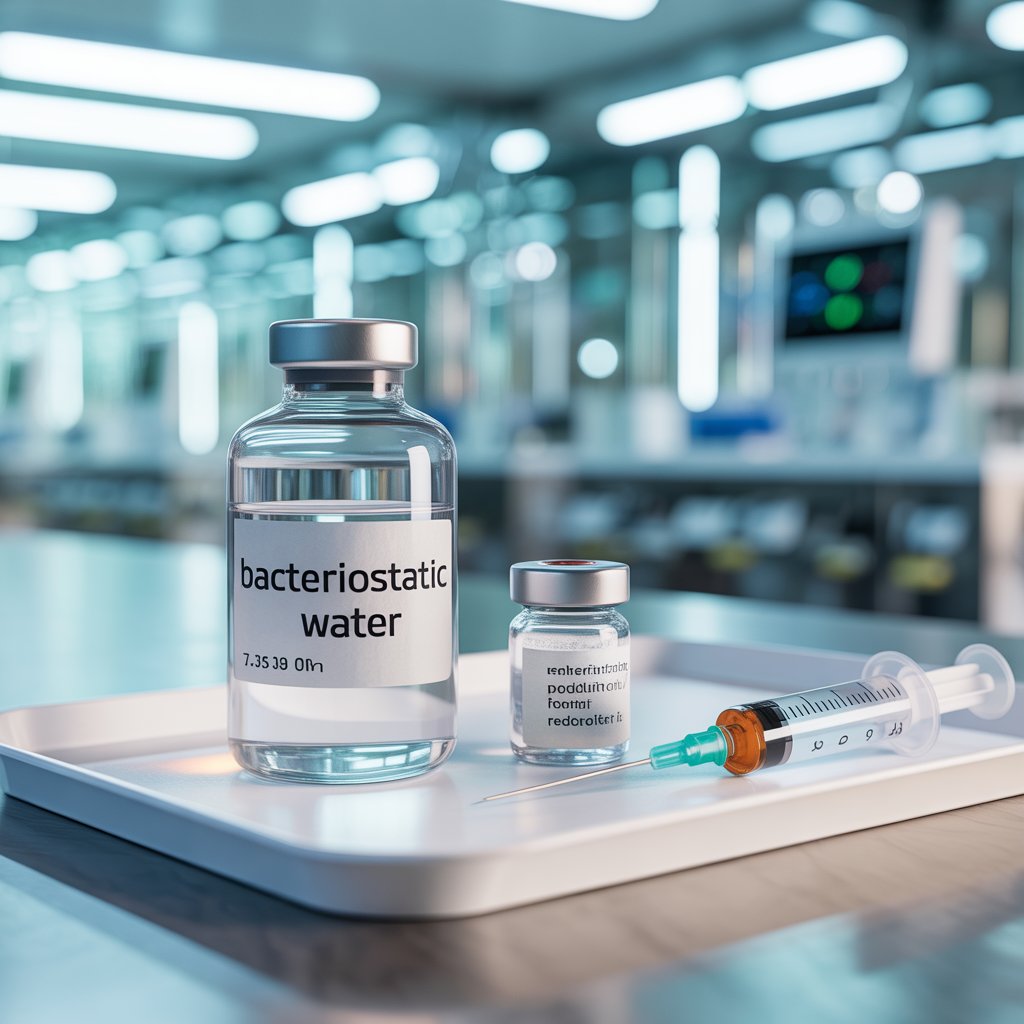
In the world of healthcare, ensuring the safe administration of medications is of the utmost importance. One element that plays a critical role in maintaining the sterility and efficacy of medical solutions is bacteriostatic water. Whether you’re a healthcare professional or a patient, understanding what bacteriostatic water is, its properties, and its essential role in medical reconstitution can help prevent complications and promote safety during treatment.
What is Bacteriostatic Water?
Bacteriostatic water is a type of sterile water that contains a bacteriostatic agent, typically benzyl alcohol, to inhibit the growth of bacteria. Unlike regular sterile water, which has no preservatives, bacteriostatic water is designed to be used in the reconstitution of medications, particularly injectable drugs, without the risk of bacterial contamination over time.
When you reconstitute a medication (such as a powdered drug), you’re mixing it with a solvent to create a solution that can be administered to the patient. Using bacteriostatic water in this process ensures that the solution remains free of microbial contamination, preventing infections and enhancing the medication’s stability.
Why is Bacteriostatic Water Crucial in Reconstitution?
Reconstitution is often necessary for powdered medications, vaccines, and biologics that are not stable in liquid form. When you mix these medications with a solvent, the resulting mixture must be sterile and safe to inject. Bacteriostatic water helps achieve this by:
- Preventing bacterial growth: The bacteriostatic agent, typically benzyl alcohol, inhibits bacterial reproduction, ensuring that the solution remains free from harmful microorganisms.
- Maintaining medication integrity: By controlling bacterial contamination, bacteriostatic water helps preserve the medication’s potency, preventing degradation or potential loss of effectiveness.
- Ensuring safe administration: For medications that require long-term storage or preparation, bacteriostatic water ensures the solution remains sterile during its use, reducing the risk of infections.
How Bacteriostatic Water Prevents Contamination in Reconstitution Solutions
Bacteriostatics water plays an essential role in preventing contamination of reconstituted medications, which is crucial for patient safety. Let’s explore how bacteriostatic water achieves this:
The Role of the Bacteriostatic Agent
The bacteriostatics agent in the water, typically benzyl alcohol, functions by disrupting the ability of bacteria to multiply. While it does not kill bacteria outright (as a bactericidal agent would), it prevents them from reproducing. This is especially important when the reconstituted medication will be stored for a period before being administered, as it significantly reduces the risk of bacterial contamination over time.
Ensuring Stability and Sterility
Reconstitution solutions, particularly those used for injections, can provide a fertile environment for bacterial growth if left unprotected. Bacteriostatic water prevents this by providing a controlled environment, maintaining sterility, and reducing the likelihood of infections. This is especially important in multi-dose vials, where the medication is accessed multiple times and contamination could occur with each use.
Reducing the Risk of Infection
By ensuring that the reconstituted solution remains free from bacterial growth, bacteriostatic water minimizes the risk of infections that could arise from contaminated medications. This is especially important for intravenous medications or injections, where contamination could lead to serious infections, including sepsis.
Bacteriostatic Water vs. Sterile Water: Which is Best for Medical Reconstitution?
When preparing medications for injection or intravenous use, one of the key decisions is whether to use bacteriostatics water or sterile water. While both are used for reconstitution, there are distinct differences that can affect the safety and efficacy of the reconstituted solution.
| Property | Bacteriostatic Water | Sterile Water |
|---|---|---|
| Presence of Preservatives | Contains bacteriostatic agents like benzyl alcohol to prevent bacterial growth. | No preservatives; purely sterile water. |
| Duration of Use | Suitable for multiple uses, as it prevents bacterial contamination. | Best for single use, as it may be prone to contamination after opening. |
| Application | Primarily used for medications that require multiple doses or long-term storage. | Typically used for immediate reconstitution or single-dose injections. |
| Risk of Contamination | Low, due to bacteriostatic properties. | Higher, as it can be prone to microbial growth once exposed to air. |
| Best For | Injectable medications that require multiple doses or extended use. | Single-dose reconstitutions. |
Which One Should You Choose?
Sterile water, on the other hand, is used when the reconstituted solution will be used immediately or in a single dose, where contamination risks are low, and the solution doesn’t require prolonged storage.
Bacteriostatics water is the best choice when preparing medications that are used over an extended period, such as multi-dose vials. Its bacteriostatic properties ensure the solution remains sterile and safe for repeated use.
Common Mistakes to Avoid When Using Bacteriostatics Water for Reconstitution
While bacteriostatic water is incredibly useful in maintaining the safety and integrity of reconstituted medications, it’s important to avoid common mistakes that can compromise its effectiveness.
- Using it beyond its shelf life
Bacteriostatic water has a shelf life. Using it past its expiration date can lead to reduced bacteriostatic properties, rendering it ineffective at preventing bacterial growth. - Incorrect storage
Always store bacteriostatic water in a cool, dry place away from direct sunlight. Improper storage can degrade the water and reduce its effectiveness. - Mixing with incompatible medications
Some medications may not be suitable for reconstitution with bacteriostatic water. Always check the manufacturer’s guidelines or consult a healthcare professional before use.
Top Medical Applications of Bacteriostatic Water in Reconstitution Solutions
Bacteriostatic water is used across various medical fields for reconstituting medications. Here are some of the top applications:
- Vaccines: Certain vaccines, especially those in powdered form, require reconstitution with bacteriostatic water before they can be injected.
- Intravenous medications: Medications like antibiotics or chemotherapy agents that are reconstituted for intravenous administration often require bacteriostatic water to prevent bacterial contamination.
- Hormonal therapies: Some hormonal injections need reconstitution with bacteriostatic water to ensure sterility during administration.
Conclusion
Bacteriostatics water plays an indispensable role in ensuring that reconstituted medications are safe, sterile, and effective. Its ability to prevent bacterial growth is crucial for preserving the integrity of medications that require reconstitution, especially those that will be injected or administered intravenously. By understanding its properties and applications, healthcare professionals can ensure the safe preparation of medical treatments, ultimately safeguarding patient health.
By following best practices, avoiding common mistakes, and choosing the right type of water for reconstitution, both patients and healthcare providers can contribute to the effectiveness and safety of medical treatments.
Click here for read more